My first significant experience with grief was in elementary school when a boy close to my age died suddenly in his father’s arms. An unimaginable tradedy that shook our church. The morning of the funeral, my brother and I were dressed and ready before it was time to leave. While we waited, we walked around the block in silence together. In my dress and shiny shoes, I still know the exact house we were passing when sadness and disbelief deeper than I had ever felt enveloped me. I tried to step on fallen acorns to create sound on the sidewalk when there was nothing to say. The only remaining memory I have of that day was the boy’s mother crying in agony for him as the pallbearers passed.
That was twenty-five years ago. And I can still hear her cry.
And what I’ve learned since then is that most people don’t want to talk about sad things. Most people don’t want to talk about life after this. So they don’t until they’re forced to face it. Because it’s hard. And it hurts.
For whatever reason, I’m been more comfortable than most talking about loss and grief. And saying the word death. Maybe it’s nature. Maybe it was nurture. As a pastor’s kid, I got used to walking up to open caskets at a young age. To asking questions about heaven and sitting in silence. Unknowingly, this was the practice of processing sadness.
When we lived in Iowa, my dad walked through pain and suffering with so many people in our small town. Years later, when he’d go back to visit, he would often spend time walking the cemetery. I had never heard of a pastor doing that and the more people I lose, the more that makes sense to me now. Being intentional to remember people honors their legacy.
So I remember. Today would have been my friend Marissa’s 33rd birthday. I’ve missed her for the last ten years and what she brought out of me. A love for people on the edges of the group. A heart to see people who want the same sense of belonging I do. A purpose to care for every person, every life who has a story. She taught me that how you treat people matters.
Three hours ago, I learned with the world that Charlie Kirk of Turning Point USA was shot and is now with Jesus. The devestation and shock of such violence quiets me. I don’t understand and I don’t have the words to find out where we go from here.
All I know is there is still hope in the cross. Charlie lived that, he believed that, he urged people to know it. He lived with eternity in mind. Or as my dad would teach us from the pulpit, he knew how to “live this day, for that day.”
The day when we will see Jesus again. When we’re with him for all of time. When forever becomes true.
This summer we visited Richmond, Virginia and took a friend’s suggestion to walk through the Hollywood Cemetery. We found countless graves delicately cared for, presidents and other famous figures buried there. So many lives summarized in a few words on stone. This one, though, I’ve thought of every day since.
It reads, “In tender memory of one who loved the Gospel and died in its faith, in the hope of its glory.”
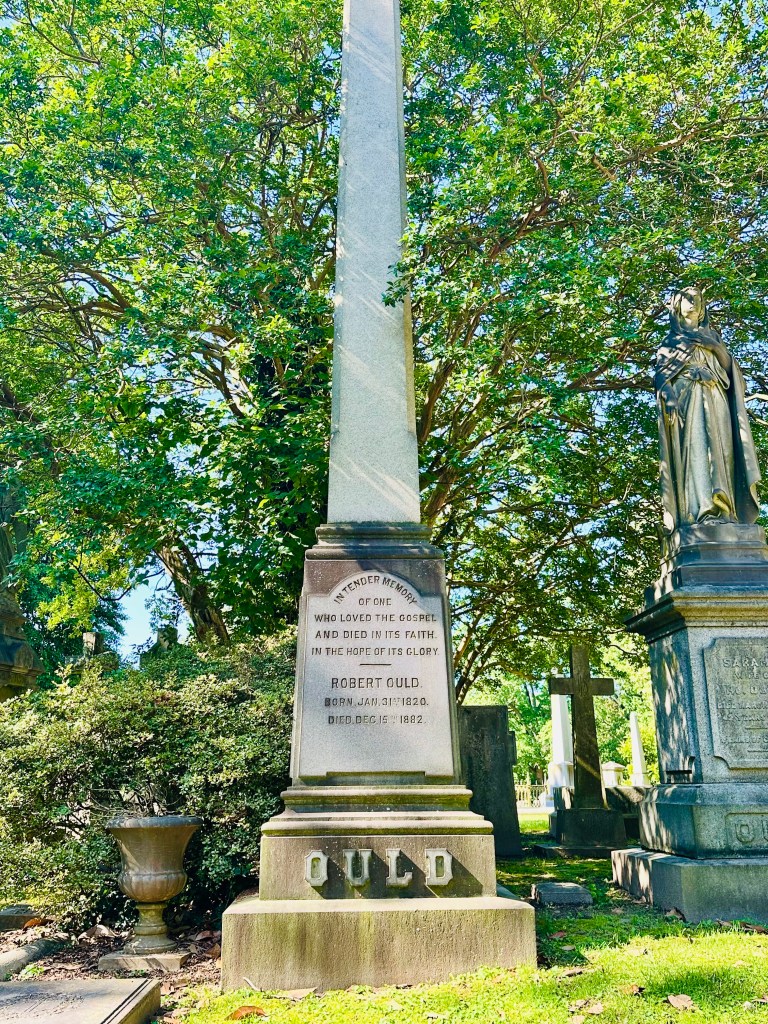
I’m so grateful for lives well lived, races well won. And I hold in tension the grief of not enough time. Not enough time for great leaders to lead longer, lives to be lived out fully, friendships to deepen.
I will learn to cling to hope while I sit in the sadness of losing figures of faith, like Charlie Kirk. People who loved the Gospel. Who died in its faith. In the hope of its glory.
Jesus, help me to trust in your goodness when I don’t understand our broken world. I don’t know what to do but I know I can talk to you. I know I can pray while hurting and for those hurting. Help us turn to you as we process unimaginable pain. Show us how to pray for Charlie’s family.
And may I live this day, for that day, too. May I be resolved in my faith, to love you, to love those you love, and to live with eternity always in mind. You are the author and the perfector of my faith. Thank you for writing me into your story. Show me how to live it well, like Charlie did with his.
Take care & take heart,

 The Steadfast Heart